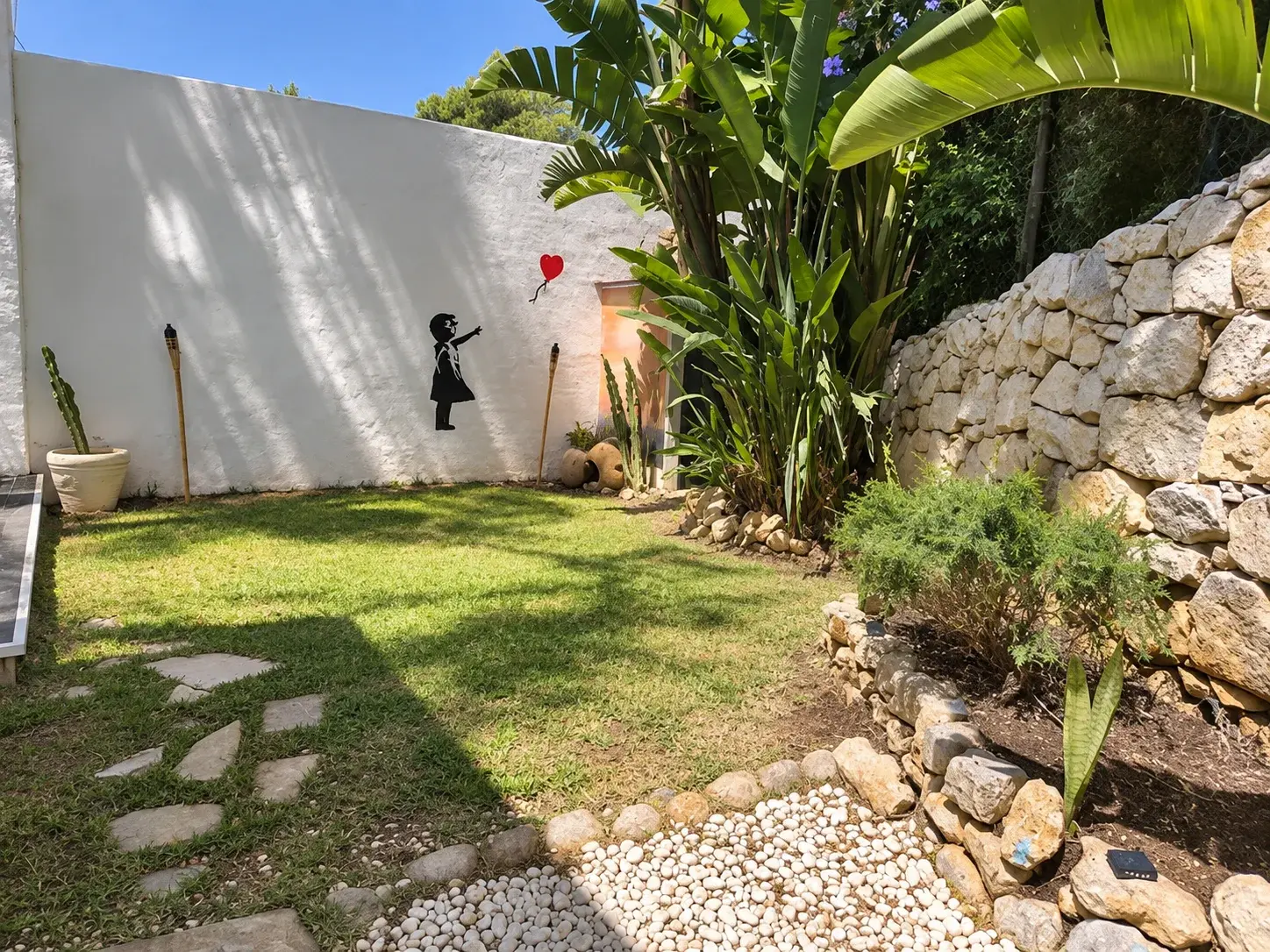
Buying an Older Villa in Marbella: What to Check Before Making an Offer
Older villas in Marbella can offer exceptional plots, mature gardens and prime locations, but buyers need to look beyond the interiors. Here is what to check before making an offer or committing to a renovation project.
Buying an Older Villa in Marbella: What to Check Before Making an Offer
Some of the most interesting villas in Marbella are not new.
They were built decades ago, when plots were often larger, density was lower and some of today's most desirable residential areas were still being established.
An older villa may offer:
a mature garden;
an exceptional plot;
established privacy;
generous room sizes;
a location that would be extremely difficult to reproduce today.
But it may also contain twenty or thirty years of:
alterations;
repairs;
extensions;
outdated technical systems;
deferred maintenance.
That does not make older villas bad purchases.
In fact, a well-bought older villa can be one of the strongest opportunities in the Marbella market.
The key is understanding what you are actually buying before the emotional appeal of the plot, view or location leads you to make an offer.
Why Older Villas Can Be So Attractive
New-build villas have obvious advantages.
They may offer:
contemporary architecture;
modern climate systems;
energy efficiency;
large glazing;
smart-home technology.
But they often sit on newer, denser plots.
Older Marbella villas can offer something harder to reproduce:
land and location.
This is particularly relevant in established areas such as Nueva Andalucía, Sierra Blanca and other mature villa neighbourhoods.
In many cases, the real value is not the kitchen or bathrooms.
It is:
the plot;
privacy;
orientation;
mature landscaping;
road position;
surrounding neighbourhood.
Those characteristics may be more important to long-term value than whether the existing interior is fashionable.
Start With the Plot, Not the Interior
When viewing an older villa, buyers often focus first on what needs renovation.
That can be a mistake.
Before thinking about bathrooms, ask:
Is the plot genuinely good?
A strong plot may provide:
privacy;
sun;
usable garden;
good access;
open outlook;
separation from neighbours.
A weak plot may have:
road noise;
difficult slope;
overlooking neighbours;
poor orientation;
limited usable garden.
You can renovate a kitchen.
You cannot easily move the plot.
Orientation
Orientation deserves particular attention.
A villa that feels wonderful in July may behave very differently in January.
Check:
morning sun;
afternoon sun;
winter sun;
shading from trees;
surrounding buildings;
mountain position.
A south or southwest orientation can be attractive, but the label alone does not guarantee good sunlight.
The physical surroundings matter.
Privacy
Older villa areas can sometimes offer exceptional privacy because landscaping has matured over decades.
But do not assume the trees tell the whole story.
Walk around the garden.
Look toward:
neighbouring terraces;
upper floors;
roads;
golf course;
pathways.
A villa may photograph as completely private while still being visible from an adjacent property.
Road Noise
This is another permanent characteristic.
Marbella's residential areas contain villas in very different road environments.
Visit outside the quietest viewing period where possible.
Listen for:
main-road traffic;
local access traffic;
nearby commercial activity.
A newly decorated interior cannot remove external road noise.
Access and Driveway
Older villas were not always designed for today's larger vehicles.
Check:
driveway width;
slope;
turning area;
garage entrance;
guest parking.
A luxury villa may have five bedrooms but only awkward parking for two vehicles.
That can affect daily life and resale.
Mature Gardens Are Valuable — But Inspect Them Properly
A mature garden can be one of an older villa's greatest assets.
Large palms, mature hedging and established trees can take decades to reproduce.
But mature landscaping can also create maintenance issues.
Look at:
irrigation;
retaining walls;
drainage;
root proximity to structures;
condition of exterior paving.
The objective is not to avoid mature gardens.
It is to understand what they require.
Check the Legal Property Before the Physical Property
Before becoming heavily committed, the buyer's independent lawyer should verify what legally exists.
This is particularly important with older villas because properties may have changed significantly since original construction.
Over the years, owners may have added:
bedrooms;
enclosed terraces;
garages;
basements;
guest houses;
pools;
covered outdoor spaces.
The physical property should be compared with the relevant legal and registered documentation.
For a deeper explanation, see Property Due Diligence in Marbella: What Your Lawyer Should Check.
Built Area Should Not Be Taken From the Listing Alone
Property advertisements can quote:
built area;
usable area;
terrace area;
plot area.
These figures are useful for the search.
They should not replace documentary verification.
For an older villa, differences can arise because of:
later extensions;
enclosed areas;
outdated registry descriptions.
If square metres are important to the value calculation, verify them.
Extensions Need Particular Attention
Imagine a villa originally constructed with three bedrooms.
Twenty years later, it is marketed as a five-bedroom home.
The two additional rooms may have been created through:
extension;
enclosed terrace;
basement conversion.
That may be completely acceptable.
But buyers should understand exactly what happened.
The relevant questions include:
Was the work authorised?
How is it reflected in the documentation?
Does the registered description match the physical house?
Basement Conversions
Basements are especially common in older luxury villas.
A basement may now contain:
cinema;
gym;
bedrooms;
guest suite;
office.
But the original approved use may have been different.
This does not automatically make the property unacceptable.
It simply means the buyer should not value every finished square metre identically until the legal position is understood.
Guest Houses and Secondary Structures
Large plots may contain:
guest houses;
staff accommodation;
storage buildings;
pool houses.
These structures can add enormous lifestyle value.
But they also add complexity.
Your lawyer and, where appropriate, technical adviser should verify how they relate to the legal property.
Pool Documentation
Buyers often treat the pool as an obvious and uncomplicated part of the villa.
With older homes, it may have been:
part of original construction;
added later;
significantly altered.
Where relevant, the legal and cadastral documentation should be checked.
Legal Due Diligence and Technical Inspection Are Different
This distinction becomes particularly important for older villas.
Your lawyer may confirm that the villa is legally documented.
That does not tell you whether:
the roof leaks;
the plumbing needs replacement;
the electrical system is outdated;
the waterproofing has failed.
A technical inspection serves a different purpose.
Older villas are among the property types where using both legal and technical professionals can be particularly valuable.
Structural Condition
A technical professional can assess signs that may require further investigation.
These can include:
cracks;
movement;
deterioration;
unusual settlement.
Not every crack means a structural problem.
Many are superficial.
But buyers should avoid trying to diagnose them from appearance alone.
If something looks concerning, obtain professional advice.
Roof
Roof condition can be one of the more expensive hidden issues in an older villa.
Questions include:
When was it last repaired?
Is there evidence of water ingress?
What type of waterproofing exists?
Is there access for inspection?
A beautifully renovated interior does not necessarily mean the roof has been renewed.
Damp and Waterproofing
Damp is another important issue in Mediterranean properties.
Possible signs include:
staining;
bubbling paint;
musty smell;
damaged skirting;
mould.
The source can vary.
It may relate to:
roof;
terrace waterproofing;
drainage;
plumbing;
ground moisture.
Do not simply repaint over visible evidence before understanding the cause.
Terraces
Large terraces are one of Marbella's biggest lifestyle advantages.
They are also exposed to:
heat;
rain;
movement;
waterproofing stress.
A technical inspection may examine:
drainage;
tile condition;
waterproofing evidence;
joints.
Problems can sometimes appear in the rooms below a terrace rather than on the terrace itself.
Plumbing
Older plumbing may still function perfectly.
But buyers should understand its age and condition.
Potential questions include:
Have pipes been replaced?
Is water pressure consistent?
Are there signs of leaks?
Have bathrooms been renovated only cosmetically?
A new marble bathroom does not necessarily mean the underlying plumbing is new.
Electrical Installation
Older villas may have undergone multiple electrical upgrades over decades.
A technical review can assess whether the system appears suitable for modern use.
Today's villas may run:
multiple air-conditioning units;
pool equipment;
kitchen appliances;
EV charging;
security systems;
extensive exterior lighting.
An older electrical infrastructure may need upgrading to support this level of demand.
Air Conditioning and Heating
Marbella buyers sometimes focus almost entirely on cooling.
For year-round use, heating matters too.
Check:
system type;
age;
maintenance history;
room coverage.
Large older villas may contain several different generations of climate systems.
Replacing them can represent a substantial cost.
Windows and Glazing
Older villas may still have original or partially upgraded windows.
Modern glazing can materially improve:
thermal comfort;
noise reduction;
energy efficiency.
If a villa has extensive glazing, replacement costs can be significant.
This should be considered in the renovation budget.
Insulation and Energy Performance
Older villas were often built under different construction standards.
That can affect:
heating;
cooling;
energy consumption;
comfort.
The property's energy certificate provides one source of information, but it is not a substitute for physical assessment.
A buyer planning a substantial renovation may use the opportunity to improve energy performance.
Pool Condition
The pool itself deserves technical attention.
Possible issues include:
leaks;
filtration;
pump condition;
damaged finishes;
drainage;
surrounding terrace movement.
A pool renovation can be much more than replacing tiles.
Understand the underlying system.
Garden Irrigation
Large Marbella gardens can consume significant water and require effective irrigation.
Check:
irrigation system;
leaks;
zoning;
maintenance.
A beautiful mature garden can become expensive if the infrastructure beneath it is failing.
Drainage
Drainage matters particularly on sloping plots.
Heavy rain may reveal problems that are invisible during a dry viewing.
Check how water moves around:
house;
retaining walls;
driveway;
garden.
Poor drainage can contribute to damp and structural deterioration.
Retaining Walls
Hillside villas may include substantial retaining structures.
Their condition can be technically important.
Visible cracking or movement should be professionally assessed.
Again, this is not something buyers should diagnose themselves.
Sewerage and Wastewater
Depending on location and age, buyers should understand how wastewater is handled.
In most established urban locations this may be straightforward.
More unusual or semi-rural properties can require additional investigation.
The point is not to assume.
Water Supply
For large gardens and pools, water infrastructure matters.
The technical review can help identify:
pressure;
irrigation;
storage systems if present.
The larger the estate, the more relevant infrastructure becomes.
Solar and Renewable Systems
Some older villas have been upgraded with:
solar photovoltaic panels;
solar hot-water systems;
batteries.
Ask:
when installed;
who installed them;
whether warranties or maintenance records exist;
whether they are included in the sale.
These systems can add value, but condition matters.
Smart-Home Systems
Luxury villas sometimes receive partial technology upgrades over several renovations.
The result can be a mixture of:
old lighting controls;
newer automation;
separate alarm systems.
Complex technology that no longer has supplier support can actually become a maintenance problem.
Make sure important systems can still be serviced.
Renovation History
Ask what work has already been done.
Useful information can include:
year;
scope;
architect or contractor;
licences where relevant;
warranties.
The word renovated is too broad to be useful on its own.
You need to know whether the work was:
cosmetic
or
comprehensive.
Cosmetic Renovation
May include:
paint;
flooring;
kitchen fronts;
furniture;
decorative bathrooms.
These improvements can make the villa look excellent.
They do not necessarily address underlying technical systems.
Comprehensive Renovation
May include:
electrical replacement;
plumbing;
roof;
waterproofing;
windows;
climate systems;
structural alterations.
The two types of renovation should not be valued as if they were equivalent.
Do Not Pay a Full Renovation Premium for Cosmetic Work
This is a common buyer trap.
An older villa may be professionally staged and beautifully presented.
The seller may expect a substantial premium.
But if the expensive technical work remains for the buyer, the price should be analysed accordingly.
Ask:
What exactly has been replaced?
Existing Construction Warranties Need to Be Understood Carefully
Spain's Building Regulation Law distinguishes different statutory responsibility periods for qualifying building defects rather than providing one universal “10-year warranty.”
Article 17 of the Ley de Ordenación de la Edificación distinguishes, in general terms:
one year for certain execution defects affecting finishes;
three years for qualifying habitability-related defects;
ten years for qualifying structural defects affecting mechanical resistance and stability.
For a much older villa, those periods may long since have expired.
That makes the property's present technical condition especially important.
Hidden Defects and Resale Property
Spanish Civil Code provisions also contain rules concerning certain hidden defects in a sale.
Articles 1484 and 1485 address defects that can make the thing sold unsuitable for its intended use or materially reduce that use, subject to the statutory conditions and contractual context.
However, buyers should not treat post-completion legal remedies as a substitute for inspection before purchase.
Discovering a problem beforehand is generally far preferable to litigating about it later.
Renovation Cost Must Be Estimated Before the Offer
A villa listed at €1.8 million may look attractive relative to a renovated home at €2.5 million.
But what if the older villa needs:
€100,000 roof and waterproofing work;
€80,000 windows;
€120,000 climate and electrical upgrades;
€300,000 interior renovation;
€100,000 landscaping and pool work?
The economics can change quickly.
This is why serious buyers should build a realistic renovation range before deciding what the property is worth to them.
Include Professional and Licence Costs
A renovation budget is not only builder costs.
Depending on scope, it may include:
architect;
technical professionals;
licence-related costs;
project management;
interior design;
contingency.
For major works, professional fees can be meaningful.
Keep a Contingency
Older houses reveal surprises.
Once walls are opened, additional work may become necessary.
Do not structure the renovation budget so tightly that any unexpected problem makes the project financially uncomfortable.
Renovation Timeline Matters Too
Cost is only one factor.
A major renovation can also mean:
months without use;
temporary accommodation;
project management;
delays.
A buyer wanting immediate occupation may be better served by a more expensive turnkey property.
A buyer with time and appetite for a project may find the older villa far more compelling.
Can Renovation Create Value?
Yes — when the fundamentals are strong.
The most attractive renovation opportunities often combine:
excellent location
strong plot
legal clarity
poor or outdated interior
The least attractive opportunities may combine:
weak location
compromised plot
legal uncertainty
major structural works
A renovation cannot rescue every property.
Nueva Andalucía and Older Villas
Nueva Andalucía is one of the Marbella areas where older villas can be particularly interesting.
Golf Valley has mature residential streets and established plots.
Some buyers deliberately search for older villas around areas such as:
Aloha;
Las Brisas;
Los Naranjos
with the intention of creating a contemporary home.
EQUA's live Nueva Andalucía guide describes it as a large and varied international residential market centred on Golf Valley.
The key is avoiding the assumption that every renovation opportunity automatically represents value.
The finished cost still needs to compete with existing renovated property.
Sierra Blanca and Older Villas
Sierra Blanca can also contain older substantial homes in an established gated environment.
Its main permanent advantages include:
elevation;
privacy;
security;
Marbella proximity.
EQUA's current area guide describes Sierra Blanca as fully gated with 24-hour security and panoramic Mediterranean positioning.
For buyers considering renovation here, the plot and view can justify substantial investment.
But the full renovation economics still need to make sense.
Marbella East
Older villas in Marbella East can offer another attractive strategy.
Areas such as:
El Rosario;
Las Chapas;
Elviria
may contain mature plots and substantial family homes.
Buyers can sometimes obtain more land for the budget than in Marbella's most expensive central zones.
The trade-off may be:
greater driving;
varying proximity to the beach;
less prestige than the Golden Mile.
Older Villa vs New Build
The comparison can look like this:
Older Villa
Potential advantages:
mature plot;
established location;
larger garden;
renovation potential.
Potential disadvantages:
more technical risk;
renovation;
outdated systems.
New-Build Villa
Potential advantages:
contemporary systems;
energy efficiency;
turnkey presentation.
Potential disadvantages:
smaller plot;
new-development premium;
less mature landscaping.
There is no automatic winner.
For more on the modern market, see New Build Property in Marbella: Complete Buyer’s Guide 2026/2027.
Older Villa vs Renovated Villa
Another frequent comparison is:
buy dated and renovate
versus
pay more for turnkey.
The first option may create value and personalisation.
The second provides:
certainty;
immediate use;
less construction risk.
For buyers comparing the turnkey alternative, see Buying a Renovated Villa in Marbella: What Should You Verify?.
Should You Make an Offer Before the Technical Inspection?
This depends on transaction strategy.
In some cases, a buyer may make an offer subject to:
satisfactory legal due diligence;
technical inspection.
This can allow the buyer to agree commercial terms without pretending the property's condition has already been fully established.
For offer strategy, see Making an Offer on a Property in Marbella: What Buyers Should Know.
What If Inspection Finds Problems?
The answer depends on:
seriousness;
offer conditions;
contract;
commercial negotiations.
Possible outcomes can include:
proceed unchanged;
renegotiate price;
seller completes work;
buyer withdraws where contractually permitted.
Not every defect needs to become a crisis.
The point is to understand the cost and risk before completing.
Do Not Negotiate Every Minor Defect
An older villa will rarely be perfect.
Expecting the seller to fix every:
scratched tile;
old light fitting;
cosmetic mark
can distract from the issues that really matter.
Focus on material items such as:
structure;
waterproofing;
roof;
technical systems;
legal discrepancies.
The Asking Price Should Reflect Condition
Two villas on neighbouring plots may justify very different prices.
A comprehensively renovated home should generally be compared with the cost of buying and renovating an older one.
A useful calculation is:
purchase price
taxes and acquisition costs
renovation
professional fees
contingency
=
finished project cost
Then compare that figure with available turnkey alternatives.
Example
Imagine:
Older villa purchase: €2,000,000
Acquisition costs: additional
Renovation: €600,000
Professional fees and contingency: €200,000
The economic comparison is not €2 million versus a €3 million turnkey villa.
The real comparison may already be approaching:
€2.8 million plus acquisition costs
before considering time and project risk.
This is how renovation opportunities should be analysed.
Resale Potential
Ask what the finished property will look like relative to future competition.
A high-quality renovation on an exceptional plot can create a very strong resale asset.
An over-renovated property on a weak plot can be much harder to sell at the required price.
Do not invest €1 million into a property if the location does not support the finished value.
Do Not Overbuild the Area
This is particularly important for investors.
The fact that you can create:
cinema;
spa;
six bedrooms;
designer kitchen
does not mean the local market will pay for every euro spent.
Renovation should reflect the eventual buyer audience.
Older Villas for Permanent Living
Permanent residents should assess:
heating;
insulation;
storage;
everyday access;
maintenance burden.
A large older villa may feel romantic during a viewing but require significant ongoing care.
The property needs to work year-round.
Older Villas as Second Homes
Second-home owners may need to think especially carefully about maintenance.
An older detached villa can require regular:
garden care;
pool care;
inspections;
repair coordination.
For an owner spending most of the year abroad, local management may become important.
Older Villas as Investments
Luxury villa investment should not be judged purely by headline rental.
The investment case may include:
buying below renovated value;
improving the asset;
long-term capital growth;
personal use.
But renovation investors should remain conservative.
Construction cost overruns can quickly reduce the expected return.
What Should You Check Before Making an Offer?
At minimum, think through four separate categories.
1. Permanent Property Fundamentals
Check:
location;
plot;
orientation;
privacy;
view;
access.
2. Legal Position
Have the lawyer investigate:
ownership;
registered areas;
extensions;
charges;
planning position.
3. Technical Condition
Have the appropriate professional assess areas such as:
structure;
roof;
damp;
waterproofing;
plumbing;
electrics;
pool.
4. Financial Project
Calculate:
purchase cost;
taxes;
renovation;
professional fees;
contingency;
finished value.
Only when these four areas fit together does the opportunity become genuinely compelling.
Older Villa Red Flags
Investigate carefully where you find:
major cracks;
persistent damp smell;
recent repainting over obvious damp areas;
significant extensions with unclear documentation;
roof leaks;
major difference between advertised and registered area;
heavily converted basement;
poor drainage;
difficult access;
expensive renovation combined with weak location.
A red flag does not always mean “do not buy.”
It means:
investigate before you price the risk.
Older Villa Buyer Checklist
Before committing, ask:
Is the plot good enough to justify renovation?
What is the real orientation?
How private is the property?
Is there road noise?
Does the legal property match the physical property?
Which areas were added later?
Has the roof been replaced?
Is there evidence of damp?
How old are the plumbing and electrical systems?
What climate system exists?
What condition are the windows in?
Does the pool require major work?
How does drainage function?
What exactly was included in previous renovations?
What will the full renovation realistically cost?
How long will the project take?
What will the villa be worth when finished?
Who is the future resale buyer?
Buying an Older Villa in Marbella: Final Buyer Perspective
Older Marbella villas should not automatically be regarded as inferior to new construction.
In some cases, the exact opposite is true.
An older house may occupy:
the better plot
the more established street
the more private garden
the stronger long-term location.
Those are characteristics that new finishes cannot manufacture.
But the opportunity only works when the buyer understands the full project.
Do not buy an older villa because the dated kitchen makes it look cheap.
Buy it because the underlying asset is strong enough to justify the money that needs to be invested.
The most attractive older villa is often one where:
the house can be changed
but
the best characteristics do not need changing at all.
Buying an Older Villa With EQUA Estates
EQUA Estates works with international buyers comparing villas across Marbella, Nueva Andalucía, Sierra Blanca, Benahavís, Marbella East and the wider Costa del Sol.
For an older-villa search, the buyer-side process can include:
comparing established micro-locations;
analysing plot quality;
comparing renovated and unrenovated alternatives;
commercial negotiation;
coordination with the buyer's independent lawyer;
coordination with architects or technical professionals where required.
The objective is not simply to find a renovation project.
It is to identify the property where the location, plot, legal position and finished economics justify taking on the renovation risk.
Because an old kitchen is easy to replace.
An exceptional Marbella plot is not.